

School of Architecture
Preparing students to address the grand challenges of today and tomorrow.
The School of Architecture at the University of Arizona is devoted to professional education, innovative research and community service with a sensibility honed by the conditions of an extreme climate.
Vision: The School of Architecture at the University of Arizona has the following aspirations:
- We are designers, researchers, and innovators.
- We are scholars and practitioners.
- We are inclusive, interdisciplinary, collaborative and diverse.
- We foster agency, stewardship, responsibility and professionalism.
- We are adaptive and empathetic.
- We are engaged locally and globally.
- We use tactile learning and experimentation.
- We embrace a multi-method design approach.
We offer interactive, immersive and engaged educational programs: Bachelor of Architecture, Master of Architecture and Master of Science in Architecture, plus the undergraduate Minor in Architectural History and Theory.
Director's Welcome
Ryan E. Smith, School of Architecture Director and Professor of Architecture

School News & Headlines
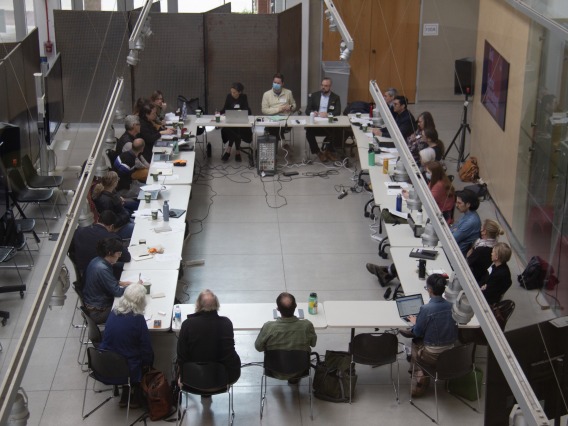


Our Academic Programs
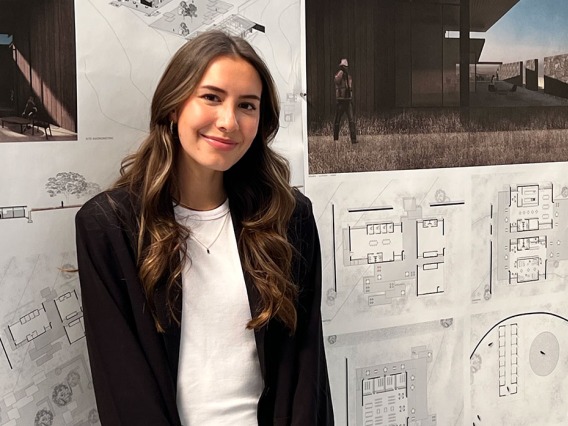
The highly ranked, NAAB-accredited five-year B.Arch program prepares students for professional registration and practice in the field of architecture and design.
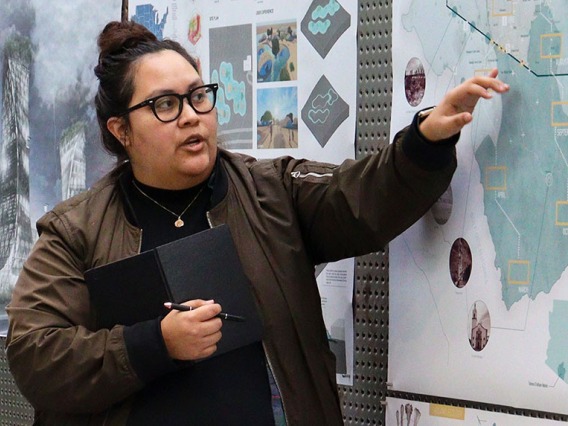
The NAAB-accredited, STEM-designated M.Arch, available in two- and three-year tracks, places an emphasis on critical practice and sustainable design honed by the poetics of place.
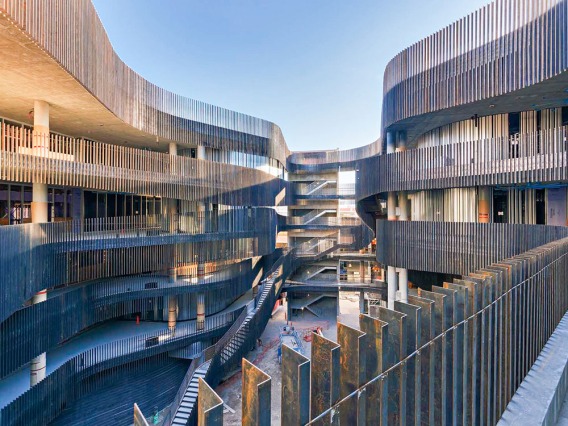
Devoted to applied research on the built environment, the 18-month, STEM-designated MS.Arch allows students to move across and between concentration areas or form their own specialization.
Minor in Architectural History and Theory
The 18-unit undergraduate Minor in Architectural History and Theory is designed for students who are interested in architectural history, theory and preservation as well as those who are studying to receive an advanced degree in art or architectural history.
CAPLA Design/Build
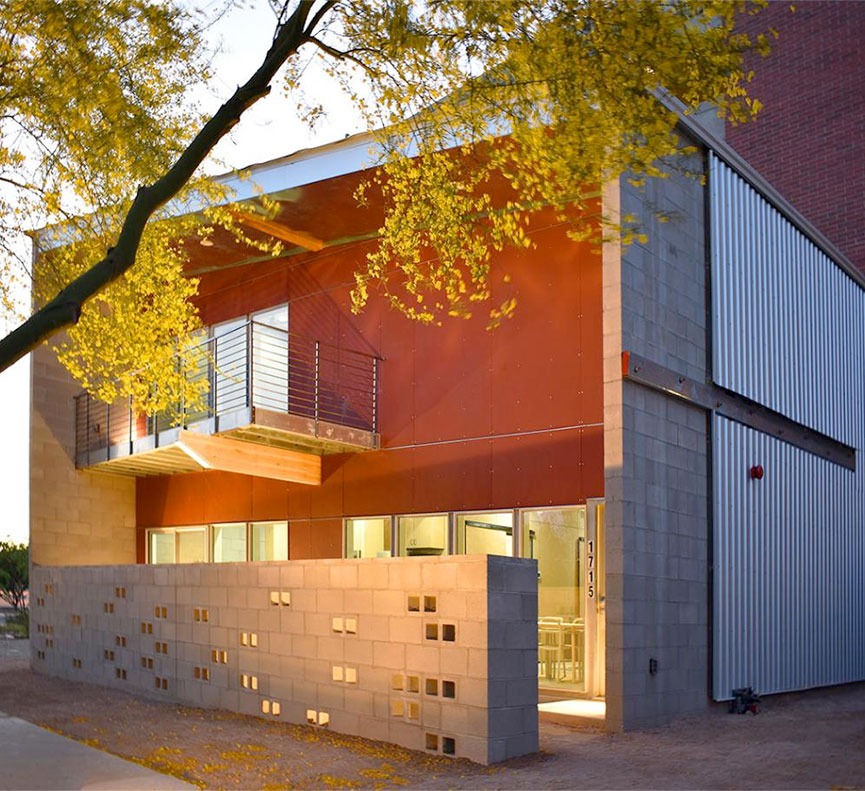
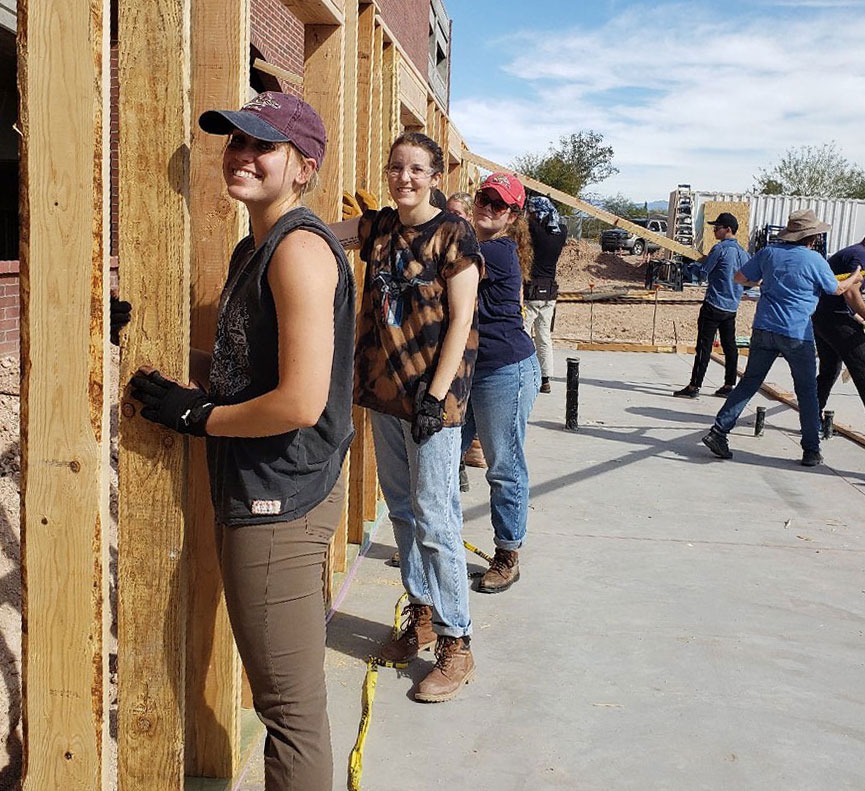
CAPLA Design/Build involves students in hands-on, real-world projects they design and then build under the guidance of School of Architecture faculty, centered around the belief that learning by doing is a powerful method of gaining knowledge.
Student Work, Awards & Profiles
Student Work
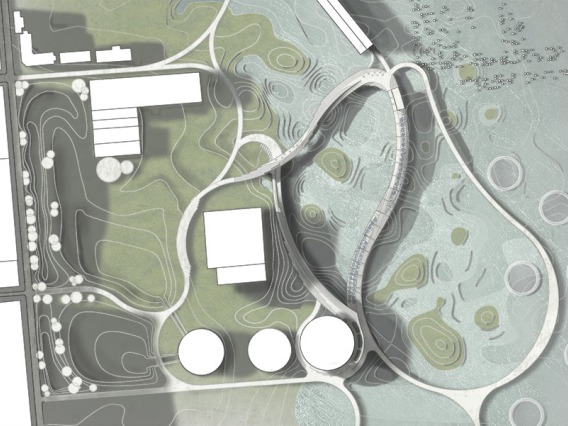
Architecture students create a wide variety of outstanding work in their time at CAPLA. View individual galleries and narratives of work by Bachelor of Architecture, Master of Architecture and Master of Science in Architecture students.
Student Awards
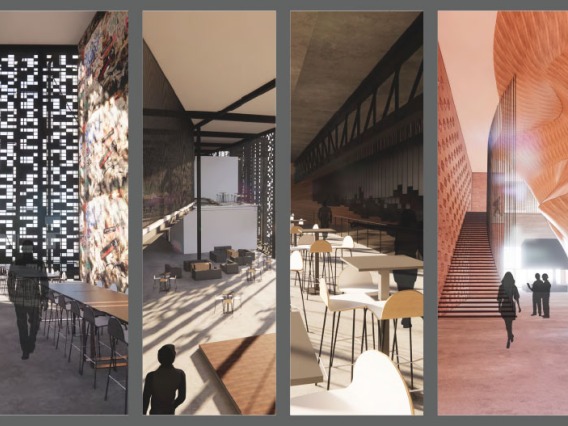
Architecture students regularly win a variety of awards, both those offered through the school, such as the end-of-year Design Excellence Awards, as well as esteemed regional, national and international awards. Learn more about our award-winning students and their projects.
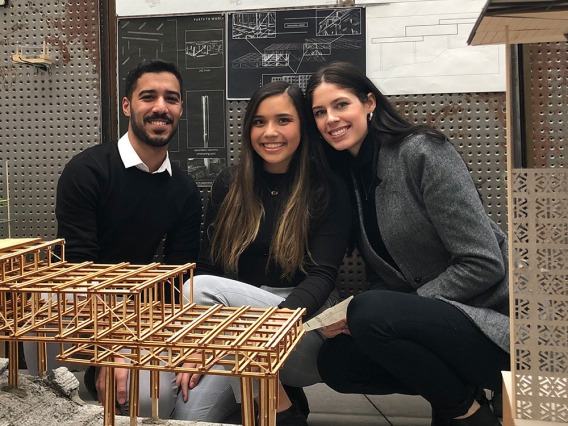
Student Profiles
School of Architecture students come from a rich diversity of backgrounds and experiences. View profiles of a few of our Bachelor of Architecture, Master of Architecture and Master of Science in Architecture students.
Faculty Research & Practice

Faculty Areas of Expertise
The award-winning faculty of the School of Architecture are leaders in their fields, with expertise in a broad range of topics, from building technologies to urban design, energy and water systems to biomimetics, market transformation to environmentally adaptive design and much more.

Architecture Research
Faculty within the School of Architecture conduct a wide array of transformative research related to design and our built environments. From alternative building materials and energy systems to heritage conservation and wellness, learn more about our research.
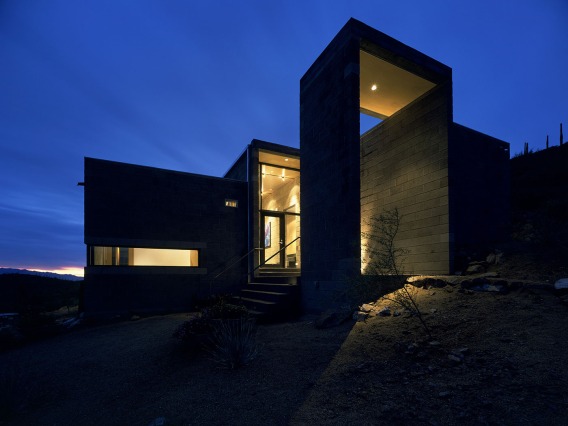
Faculty Professional Work
Many School of Architecture faculty are award-winning architects and designers here in the Sonoran Desert and around the world. Learn more about their work in galleries and narratives exploring individual projects.
Architecture Faculty Profiles
The faculty of the School of Architecture comprise a dynamic community, bringing their expertise to the built environment from across the country and around the world. In these detailed profiles, you'll learn about their teaching, research, practice and much more.
Materials Labs and Model Lab
CAPLA's state-of-the-art Materials Labs comprise 9,000 square feet dedicated to model-building and fabrication using metals, wood, concrete, ceramics, glass and plastics. Equipment includes CNC tools, robotics, lasers, 3D printers and woodworking tools for digital and analog fabrication.


About the School
Black Lives Matter: Statement from the School of Architecture
We condemn racism and all its pernicious effects, and we must root it out. We pride ourselves on being members of a university dedicated to the advancement of knowledge and our students, but we can and must do more.
Accreditation Status and Professional Registration
The Bachelor of Architecture and Master of Architecture are accredited by the National Architectural Accrediting Board and in order to become a registered architect in most U.S. states, one needs a professional architecture degree from a NAAB-accredited program, plus other requirements.
Studio Culture Policy
The School of architecture fosters intellectual growth and a creative, collaborative and engaged studio/lab community. Our studio culture policy affirms principles of design education and augments the UArizona Student Code of Academic Integrity.
Architecture Alumni
Alumni of the School of Architecture in the College of Architecture, Planning and Landscape Architecture comprise a dynamic community, working in architecture and design as well as affiliated careers and industries.
Contact Us
For additional information about the School of Architecture and our programs, please contact contact us.